My father slammed the table and called me a “toxic monster” for asking my 28-year-old brother to contribute $500. I quietly closed the household spreadsheet and said, “You’re right.” Four days later, Dad’s debit card was declined at the grocery store, and he came home pale, asking me one question about the monthly transfer.
I am Harrison and I am 32 years old. 3 years ago, I drained my entire life savings, liquidated my investment portfolios, and sacrificed my own future to save my parents’ real estate from immediate foreclosure. I did this because my younger brother had gambled away $40,000 of their retirement money on unregulated offshore betting sites and garbage cryptocurrency.
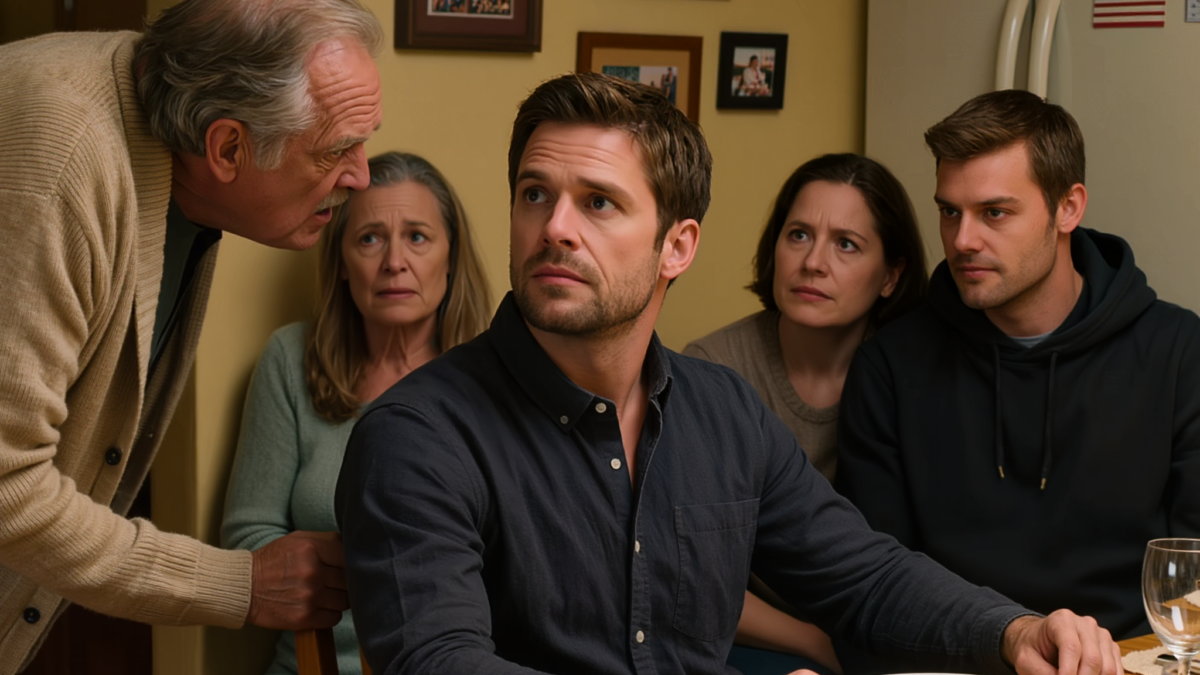
I was the good son, the capable one, the one who worked grueling 60-hour weeks at the hospital to keep a literal roof over their heads. While I was drowning in chronic stress, sacrificing my own sanity to hold this extremely toxic family together, my father looked me dead in the eye during Sunday dinner, slammed his heavy fist on the dining room table, and screamed that I was a toxic monster. He told me to stop trying to fix my brother.
He told me to leave him alone and accept him for who he is. He humiliated me, belittled my salary, and completely invalidated my existence in front of the very family I was financially keeping alive. But there is one massive thing they did not know at that exact moment.
They did not know that the second those vicious words left his mouth, a permanent switch flipped inside my brain. They did not know I had the power to legally and financially dismantle their entire comfortable subsidized reality in a matter of days. And now they are sitting in a cramped, freezing, low-income apartment, begging for my help, finally realizing that the villain they created in their minds was actually the only thing keeping them off the streets.
Now, let us go back to the miserable rainy night when the illusion finally shattered.
It was a Tuesday evening in suburban Seattle. It was the kind of miserable bone-chilling evening where the rain does not really fall in drops. It just hangs in the air like a heavy mist, soaking right through your clothes and turning the whole world into a blurry gray watercolor painting.
I was sitting in the driver’s seat of my luxury sedan in the driveway of my childhood home. The engine was turned off. The only sounds in the world were the ticking of the cooling metal from the engine block and the rhythmic squeaking thump of the windshield wipers, which were frozen midwipe across the glass.
I sat there gripping the leather steering wheel until my knuckles turned stark white, just staring at the house. From the street, it looked like the perfect American dream: a nice two-story colonial home with a manicured lawn and a fresh coat of paint. But I knew the horrifying truth held in the mortar of those bricks.
I knew this house was a financial black hole that was slowly sucking the life out of me. My smartphone buzzed violently against the center console. I did not even need to look at the glowing screen to know who it was.
It was my mother, Martha. The text message did not say hello. It did not ask how my grueling 10-hour shift went.
It did not acknowledge that I spend my days working as a clinical pharmacist, managing highly complex high-stakes medication protocols for critically ill patients, earning a massive salary just to hand my paycheck over to people who despise me.
The text simply read, “Pick up pizza on your way in. Felix is hungry. Pepperoni and extra cheese. Do not forget the garlic sauce this time.”
A second buzz followed immediately, vibrating against the plastic cup holder. This one was from my 28-year-old brother, Felix.
The text read, “The internet is lagging again. Did you upgrade the fiber-optic plan like you promised? I am trying to stream my gameplay here and my viewers are complaining. Fix it.”
I stared at the glowing screen until the backlight timed out and faded into complete darkness. I closed my eyes and took a deep shaky breath, trying desperately to summon the sheer physical and mental energy required to walk through that front door. I always referred to this moment as the transition.
It was that agonizing, soul-crushing moment where I had to shed the respected skin of Dr. Harrison, the professional who manages a medical team and saves lives, and put on the pathetic skin of Harrison, the son, the invisible ATM machine, the living maid, the peacekeeper, the punching bag. If you walked into my hospital on any given day, my colleagues would tell you I am confident, incredibly sharp, and entirely in control of my environment. My department director, Dr. Eris had literally just pulled me into his office that afternoon to recommend me for a major promotion that would significantly boost my career trajectory.
I was respected. I was valued. But the absolute second my tires hit this cracked concrete driveway, my value was reduced to absolutely nothing.
I looked back at the house through the rain-streaked window. The lights were glowing warmly in the living room windows. Those lights were only on because exactly $85.50 had automatically drafted from my personal checking account the day before.
The hot water they bathed in, the central heating that kept their toes warm, the premium food in the pantry, the property taxes, the homeowner’s insurance. It was all me. I funded their entire existence.
I reached over and grabbed the greasy pizza box from the passenger seat. Yes, I had stopped and bought it because after 10 hours of calculating renal dosing for ICU patients, obeying a text message was simply easier than arguing with a wall of entitlement. I pushed the car door open, stepped out into the freezing rain, and walked up the stone path to the front porch.
Every single step felt like I was walking through waist-deep wet cement. I did not know it yet, but this was the very last Tuesday I would ever walk into this house as a willing victim. The storm was already brewing violently under my skin, and the dam was about to break.
I pushed the heavy wooden front door open, and the sensory assault hit me instantly. It was a suffocating mixture of stale frying oil, cheap vanilla air freshener trying to mask the scent of unwashed laundry, and the distinct sour odor of a house where nobody bothers to open a window for fresh air. The massive flat screen television in the living room was blasting a mindless game show at a volume so loud I could literally feel the bass vibrating in my teeth.
My father Winston was deeply entrenched in his worn-out leather recliner. He did not even bother to look up from the glowing screen. He just grunted, his voice thick with annoyance, stating that I was late and that my mother was worried the food would get cold.
I stood there in my damp scrubs holding the pizza box. I told him traffic was completely backed up on the interstate because of a massive collision. I told him I had been at the hospital since 6:00 in the morning.
He finally took a slow sip of his cheap beer, kept his eyes glued to the television, and muttered that I always had an excuse for everything. I swallowed the heavy lump of absolute rage forming in my throat, and walked past him into the kitchen. My mother was standing at the counter.
She was not cooking or cleaning. She was simply pushing a small pile of breadcrumbs from one side of the granite island to the other with a dry paper towel. When she saw the pizza box in my hands, her face lit up, but it was not a look of affection for her eldest son, who had just worked all day.
It was a look of pure relief that a chore had been completed for her. She snatched the cardboard box right out of my hands without a single word of thanks. She sighed heavily and said it was about time because Felix had been pacing the floor and his blood sugar was dropping, making him cranky and impossible to deal with.
I placed my car keys into the ceramic bowl on the counter. I looked at her tired, meticulously maintained face and reminded her that Felix was a 28-year-old grown man who was perfectly capable of walking upstairs and making himself a turkey sandwich. Her expression hardened instantly.
The soft, worried mother act vanished, replaced by a fierce, defensive glare. She pointed a manicured finger at me and warned me not to start my nagging. She told me I knew perfectly well that Felix was having a rough week with his streaming channel.
She claimed the platform’s algorithm was unfairly suppressing his gaming content and that he was under an immense amount of creative stress. I had to bite the inside of my cheek to keep from laughing directly in her face. Felix’s so-called career was a complete joke.
He occupied the entire finished basement, drawing massive amounts of electricity to power his dual monitor setup, streaming himself playing video games to an audience that rarely exceeded five people. And one of those viewers was usually our cousin Penelope, just keeping the tab open on mute. I turned away from her and said I was going upstairs to change out of my hospital scrubs.
My mother called out sharply before my foot even hit the first step. She told me the dishwasher desperately needed to be emptied. She then pointed to a plastic laundry basket sitting in the corner and ordered me to take Felix’s warm hoodies down to the basement because he was in the middle of an important gaming tournament and could not be disturbed.
I paused, gripping the wooden banister tightly. I looked back at her. She wore her exhaustion like a badge of honor, a twisted proof of how much she loved her sensitive youngest son.
I told her in a low, quiet voice that I had just worked a 10-hour shift keeping people alive. Her voice immediately dropped into that sickeningly sweet, manipulative tone she always used when she needed me to pay for something. She said she appreciated my hard work, but we were a family.
She said families pitch in together. She told me it would only take 2 minutes to carry the basket down the stairs. I did not argue.
The exhaustion in my bones was too heavy. I picked up the basket of my brother’s oversized sweatpants and expensive hoodies. I walked down the basement stairs.
The air grew significantly cooler, damp with the sharp, acidic smell of empty energy drink cans and body odor. I called out his name. Felix screamed from behind his glowing monitors, violently telling me not to come in because his camera was live.
I dropped the basket on the bottom step, walked back upstairs to my tiny childhood bedroom, and closed the door. I sat on the edge of my bed, pulled out my phone, and opened my banking app. I scrolled through the recent transactions, the mortgage payment, the grocery delivery, the high-speed internet bill.
I looked at my total remaining balance. I was a doctor making a top-tier salary and I was completely broke. I was drowning in a shallow puddle.
And the people holding my head underwater were my own parents.
To fully comprehend the absolute insanity of my family dynamic and why I allowed myself to be bled dry for so long, you have to understand the deeply flawed architecture of my childhood. Our family structure was never built on unconditional love or mutual respect. It was built on a very rigid foundation of two specific labels.
Felix is special and Harrison is capable. I remember the exact moment I realized my place in this family. I was 12 years old and Felix was 8.
I had spent four entire weeks building a complex motorized solar system model for the regional science fair. I did it completely alone at the kitchen table while my parents watched television. The night before the fair, Felix was running through the house, tripped over his own feet, and knocked my entire project off the table.
The motor shattered; the planets cracked in half. Hours of my hard work were destroyed in a single second. I fell to my knees, crying out in frustration.
My mother rushed into the room, but she did not look at my destroyed project. She scooped Felix up in her arms because he had slightly scraped his knee when he fell. She rocked him, kissed his forehead, and told him it was going to be okay.
When I asked about my project, my father looked at me with deep annoyance. He told me to stop whining and fix it.
He said, “You are a smart, capable boy, Harrison. Stop crying over spilled milk. Your brother is sensitive. He didn’t mean it.”
That was the ultimate trap. You are so capable. It sounded like a compliment of the highest order, but it was actually a life sentence to a prison of zero expectation of support.
Being capable meant I did not require emotional comfort. Being capable meant I did not need financial resources, patience, or grace. All the nurturing, all the funding, and all the forgiveness in the world were reserved exclusively for Felix.
That twisted psychological dynamic shifted from a painful childhood memory to a full-blown catastrophic financial hostage situation exactly 3 years ago. I call it the great bailout. I was 29 years old.
I was living in a fantastic modern apartment downtown. I was aggressively building my savings account, actively researching real estate to buy my first home, and finally living my own life. Then I got the phone call that changed everything.
It was my father, Winston. He was hyperventilating, choking on his own sobs into the receiver. I had never heard my father cry in my entire life.
He was a stoic, angry man. To hear him weeping sent a spike of pure adrenaline straight into my heart. He told me the bank had sent a certified legal notice.
They were auctioning off the family home in exactly 30 days due to massive unpaid defaults. I dropped everything and rushed over to the house. We sat at the dining room table surrounded by towering piles of past due notices, red-stamped final warnings, and aggressive letters from collection agencies.
The math made absolutely zero sense to me. My dad had a solid guaranteed pension from his years at the manufacturing plant. My mom worked part-time at a boutique.
Their mortgage was cheap. They should have been perfectly fine. But then I started opening the sealed envelopes they had been hiding in a drawer.
I found the credit card statements. Thousands upon thousands of dollars in revolving debt. I saw charges for high-end custom-built gaming computers, limited edition designer sneakers, offshore online casinos, and massive unrecoverable wire transfers to shady cryptocurrency exchanges that had completely crashed and burned months ago.
I held the papers up. My hands were shaking. I looked at my parents and demanded to know exactly who spent this money.
My mother wiped her eyes with a tissue and completely refused to make eye contact with me. She whispered that Felix had gotten into some trouble with bad people online. She said he thought he could day trade crypto to double their retirement money and buy them a vacation home.
She looked at me with tears streaming down her face and told me he had such a big heart and that he just made a little mistake because he wanted to help the family. A mistake. $40,000 of unsecured high-interest debt is not a mistake. It is financial ruin.
It is devastating fraud. But they absolutely refused to hold him accountable. My father looked at me with this hollow, desperate expression and played his ultimate most toxic trump card.
He told me that Felix was incredibly fragile right now. He said if they lost the house and were forced onto the streets, Felix might do something drastic. He heavily implied with tears in his eyes that my brother might spiral badly if he had to face the reality of what he had done.
They weaponized his alleged mental health crisis to hold me hostage. And because I was conditioned to fix everything, it worked. I did exactly what the capable son was programmed to do since birth.
I completely drained my high-yield savings account. I cashed out the investments I had been building for my future. I paid the massive arrears to stop the foreclosure auction.
I hired a lawyer, refinanced their mortgage, and put my own name on the property deed alongside theirs because their credit scores were entirely destroyed. I even broke my apartment lease and moved back into my tiny childhood bedroom to personally manage the household finances and ensure the bills were paid on time. The verbal agreement we made was very simple.
I would cover the mortgage, the property taxes, and the utility bills for exactly 6 months while Felix got a job, went to therapy, and got back on his feet to start contributing. That was three long, agonizing years ago. Felix never got a job.
He never even printed out a resume or filled out a fast-food application. Why on earth would he? His refrigerator magically restocked itself every Saturday with his favorite snacks.
His gigabit high-speed internet never dropped a single frame. His laundry magically appeared clean, folded, and warm outside his bedroom door. He decided he was going to be a professional video game streamer and content creator.
He occupied the entire finished basement, demanding we keep it at a crisp 68°F, drawing massive amounts of electricity, streaming to absolutely no one while I worked myself into the ground to pay for it all.
I snapped out of my dark memories as my alarm clock blared at 5:30 the next morning. It was Wednesday, the day the world finally tilted on its axis. I showered, put on fresh scrubs, and grabbed my travel mug of coffee.
I walked out to the driveway, keys in hand, mentally preparing for the brutal morning traffic. But I stopped dead in my tracks the moment I stepped off the porch. My car, my beautiful, meticulously maintained luxury sedan that I had worked incredibly hard to buy as a gift to myself after pharmacy school, was parked at a bizarre, crooked angle across the driveway.
I walked closer, my heart pounding against my ribs. The rear bumper was completely destroyed. It was hanging off the metal frame by a single plastic clip.
The left side was deeply scraped and gouged, and the expensive LED tail light was shattered, leaving a thousand red diamond-like shards of plastic scattered across the wet asphalt. But it was not just the physical damage that made my blood run cold. It was the thick, heavy, gray industrial mud splattered all over the wheel well and the back quarter panel.
My stomach dropped into my shoes. I stormed back into the house, unlocking the front door and slamming it shut so hard the decorative glass panes rattled in their wooden frames. I stood at the bottom of the stairs and screamed at the top of my lungs for Felix to get his lazy self down there immediately.
My father emerged from the master bedroom at the top of the landing. He was tying his bathrobe, his face contorted with intense anger that I dared to make loud noises before 7 in the morning. He leaned over the railing and demanded to know what my problem was.
I looked up at him, my voice trembling with pure rage. I demanded to know who drove my car last night. My father rubbed his face, looked away, and sighed heavily.
He told me Felix needed to make a Taco Bell run around 2:00 in the morning because his food delivery app was glitching out. My father casually admitted he had tossed Felix my spare keys from the kitchen hook. I completely lost my mind.
I screamed that Felix was not authorized to drive my car. I told him Felix was not listed on my premium auto insurance policy. I ran up the stairs, grabbed my father by the arm, dragged him down the steps, and forced him to look out the front window at the $1,000 worth of structural damage.
My father squinted through the glass, grimaced for a fraction of a second, and then the sickening delusion kicked in. He crossed his arms over his chest and stubbornly stated that it was barely a scratch. He said Felix was not used to the dimensions of my car, that the mirrors were different and that minor accidents happen to everyone.
Right at that moment, Felix slowly shuffled up the stairs from the basement. He was wearing boxer shorts and a stained t-shirt. He was dramatically rubbing his eyes, looking incredibly annoyed like a toddler woken up from a nap rather than a grown man who had just destroyed thousands of dollars of private property.
He whined loudly, asking why I was screaming because his head was pounding. I pointed a shaking finger out the window and told him he completely smashed my car. Felix barely even glanced at the window.
He shrugged his shoulders casually.
He said, “Some idiot civil engineer put a concrete barrier in the blind spot of the drive-through lane.”
He then looked me up and down and actually let out a short scoffing laugh. He told me not to be so incredibly petty. He said I made a massive six-figure salary and that a $500 insurance deductible was just pocket change to me.
He said I was overreacting over a piece of metal. My mother came rushing down the stairs. She immediately inserted herself between me and Felix, physically shielding him.
She told me to lower my voice right this instant and stop making my brother feel guilty. She said it was just money and that material things do not matter as much as family. I looked back out the window at my car.
I looked at the thick gray industrial mud. Taco Bell drive-throughs are paved with smooth asphalt. They do not have industrial gray mud.
Felix had not gone for fast-food. He had taken my luxury car to a shady off-the-grid meetup. He was probably dealing with his reckless crypto buddies or buying something clearly questionable in an industrial park.
He crashed my vehicle doing something illicit and my parents were standing there completely united, calling me a monster for being upset about it. I looked at the three of them standing there, a united front of pure, unadulterated entitlement and toxic delusion. The intense burning fire in my chest suddenly went completely ice cold.
The panic, the hurt, and the desperation for their love instantly evaporated. I did not scream. I did not cry.
I looked at my father and said in a voice so terrifyingly calm it made him take a step back that we would thoroughly discuss this at Sunday dinner. I walked out the front door, grabbed some industrial zip ties from my emergency kit, secured my bumper to the frame so it wouldn’t drag on the highway, and drove to work in total silence. I realized something incredibly profound on that long drive to the hospital.
You cannot heal a sickness if the patient desperately enjoys the disease. My family was addicted to their dysfunction, and my money was the drug keeping them high. It was finally time to cut off the supply and let the infection take them.
Sunday dinner was a deeply sacred ritual in our toxic household. It was the one single meal of the week my mother actually bothered to cook from scratch. Usually a terribly dry pot roast served with overly salty brown gravy from a packet.
For four entire days after the car incident, I had been completely silent. I did not complain about the towering mess in the kitchen sink. I did not bring up the expensive insurance deductible.
My parents completely misread the situation. They mistook my chilling silence for submission. They genuinely thought I had been successfully bullied back into my designated place as the silent provider.
We all sat down at the dining room table. Felix was actually upstairs for once wearing his expensive gaming headset around his neck, rapidly scrolling through his smartphone with a deeply bored expression on his face. I sat quietly and waited until my father had finished carving the roast and everyone had food piled high on their plates.
Then I reached under my chair, grabbed my leather briefcase and pulled out a thick manila folder. I opened it deliberately and placed a single freshly printed spreadsheet right in the dead center of the table directly between the mashed potatoes and the bowl of green beans. My father paused, his fork hovering halfway to his mouth.
He frowned deeply and demanded to know what garbage I was putting on the dinner table. I looked him directly in the eyes. My heart was completely steady.
I told him it was a complete itemized financial breakdown of the household operating costs for the last 30 days along with a forecasted projection for the next month. Felix groaned dramatically, rolling his eyes to the ceiling. He muttered loudly that the boring accountant was here to ruin dinner again.
I ignored Felix entirely and kept my eyes locked on my father. I stated clearly that the total monthly cost to keep this house running and avoid foreclosure was exactly $4,200. I broke it down line by line.
I explained that amount included the mortgage principal, the property taxes, the homeowner’s insurance, the utilities, the groceries, and the premium gigabit internet package. I pointed out that currently I pay $3,500 of that total from my own salary. My father’s pension covered $700.
Felix contributed absolutely zero. I pointed a firm finger to a highlighted yellow line at the bottom of the page. I slowly turned my head and looked directly at Felix.
I told him that since he was a 28-year-old able-bodied man, since he consumed roughly 80% of the household electricity and bandwidth for his failed streaming career, and since he had just caused over $1,000 in physical damage to my personal vehicle, the rules of the house were changing immediately. I told him he needed to get a job on Monday morning. Any job.
Flipping burgers, stocking grocery store shelves, digging ditches. I did not care. I demanded he contribute $500 a month to the household expenses and set up a strict payment plan to reimburse me for my car repairs.
The silence that fell over the dining room was heavy enough to crush solid bone. Nobody chewed. Nobody breathed.
Then Felix let out a loud, highly exaggerated mocking laugh. He looked at me like I had just suggested he fly to the moon. He said I was completely delusional if I thought he could work a humiliating minimum-wage job.
He said he was meticulously building a personal online brand and that his audience expected a highly consistent streaming schedule. He claimed manual labor would ruin his gaming reflexes. I calmly reminded him that his current audience consisted of exactly five people and those five people were not paying the massive electric bill keeping his monitors glowing.
Felix immediately panicked. The smugness vanished. He looked frantically at my mother, instantly adopting his practiced wounded puppy routine.
He whined loudly that I was trying to maliciously destroy his creative career because I was jealous of his freedom. My mother’s face crumpled with intense sympathy for her overgrown child. She turned to me, her voice dripping with extreme disappointment and judgment.
She begged me not to cause drama at the dinner table. She said $500 was a massive amount of money to demand from someone just starting their journey, and that I was being aggressively cruel and unsupportive. I snapped back, my voice rising slightly, that $500 was barely 10% of the actual household cost, and he was nearly 30 years old.
That was the exact moment my father completely exploded. He slammed both of his heavy fists down on the wooden table so hard the porcelain plates rattled and red wine violently spilled over the edges of the crystal glasses, staining the tablecloth. His face turned a dangerous blotchy shade of dark purple.
He stood up, leaning his entire body weight over the table, spit physically flying from his lips as he roared at me. He screamed that he was sick and entirely tired of me lording my money and my medical degree over them like a tyrant. He told me that just because I had a massive salary and a fancy job title, it did not give me the right to dictate how his family operated under his roof.
He pointed a shaking, furious finger directly at my face and roared that Felix was an artist trying to find his way in a difficult world and that not everyone was a cold, calculating, heartless robot like me. I stood up slowly to meet his aggressive posture. I did not back down.
I yelled back that I cared about basic human respect. I cared that I was working myself into an early grave, surrounded by critical cases and emergencies all day at the hospital, just so a grown man could play video games in the basement and wreck my luxury car without a single consequence or apology. My father lost his mind entirely.
He screamed the exact words that will echo in the back of my mind for the rest of my life.
He roared, “Stop trying to fix him. Stop trying to fix your brother. He is exactly who he is. If you cannot accept him, if you cannot accept the way this family works, then you are the problem. You are the toxic monster in this house.”
The vicious words hung heavily in the stale air of the dining room. “You are the toxic monster.”
I looked over at Felix. He was literally hiding his body behind my father. A smug, highly victorious smirk playing on his lips because daddy had protected him again.
I looked over at my mother. She was staring blankly at her plate, nodding her head in silent agreement with my father’s verbal abuse. Something deep inside my chest finally snapped permanently.
It was not a violent fiery explosion. It was incredibly quiet. It sounded like a heavy steel chain being severed by bolt cutters.
The immense decadesl long tension releasing all at once. I felt a bizarre, overwhelming sense of absolute calm wash over my entire nervous system. It was the profound clarity of delivering a fatal medical diagnosis.
I had spent years desperately trying to resuscitate a patient who was actively dragging me under. I slowly reached out, grabbed the spreadsheet and closed the manila folder. I picked it up and held it to my chest.
I looked at my father, the man I had bankrupted myself to save and spoke in a voice so soft and devoid of emotion that it made him physically flinch.
I said, “You know what, Dad? You are absolutely right.”
My father blinked rapidly, completely caught off guard by the sudden chilling shift in my demeanor. His anger faltered for a second. I repeated it, enunciating every syllable.
You are right. I have been trying to force Felix to be a responsible adult. I have been trying to make this family function properly.
That was a toxic, controlling thing for me to do. I accept him. I accept exactly who he is.
And I fully accept your judgment of me. I reached down, picked up my plate of untouched roast beef and potatoes, walked over to the kitchen garbage can, and scraped the entire meal into the trash.
I turned back to them, smiled a completely dead smile, and said, “Enjoy your dinner. I am done.”
I walked upstairs, closed my bedroom door, and opened my laptop. I did not pack my clothes. I did not cry.
I packed away my guilt and started planning my exit strategy.
The very next morning, I called the hospital scheduling department and took an immediate sick day. I had hundreds of hours of paid time off saved up because I literally never took vacations. While Felix snorred loudly in the basement and my parents drove to their senior center water aerobics class, I made a highly specific phone call to a commercial locksmith named Greg.
Greg arrived at my house at 10:00 in the morning. He was a burly guy with a tool belt. He took one look at my standard flimsy interior bedroom door and then looked down at the heavy-duty commercial-grade digital keypad deadbolt I handed him and raised a skeptical eyebrow.
He asked if I was absolutely sure I wanted this installed on an interior bedroom door, noting it was the kind of hardware usually reserved for corporate server rooms and bank offices. I handed him a crisp $100 bill as a tip and told him I had highly valuable personal assets to secure from thieves. Greg nodded silently, fired up his power drill, and got to work.
The sound of that drill violently biting into the wooden door frame was the absolute sweetest music I had heard in years. 30 minutes later, my bedroom was an impenetrable fortress. I programmed a complex six-digit code, the exact date I made my final student loan payment, the only day in my life I truly felt free.
Once Greg left, I executed phase two: extreme malicious compliance. I treated my childhood home like a hostile enemy environment. I marched downstairs into the kitchen and unplugged the expensive imported espresso machine I had bought for myself.
I took all the premium coffee pods. I went to the hallway utility closet and took the $800 Dyson cordless vacuum I had purchased. I went into all the shared bathrooms and stripped them of the high-end salon shampoo, the luxurious Egyptian cotton towels, and the massive bulk packs of premium toilet paper I always provided.
I moved every single luxury item I had ever purchased with my own money into my bedroom and locked the heavy door behind me. Then I sat down at my small wooden desk and pulled up my credit card portals on my laptop. The family expenses were about to undergo emergency unanesthetized surgery.
I systematically logged into the electric company portal, the municipal water company, the gas provider, and the garbage collection service. The accounts were technically registered in my father’s name from decades ago. But my premium credit card was the default autopay method, keeping the lights on.
Click by click, account by account. I permanently deleted my card information from every single portal. I did not cancel the services.
That would be illegal since my parents lived there. I simply removed my funding and let the billing cycle fall back onto my father. Next were the entertainment subscriptions.
Netflix Premium, Hulu Live TV, Spotify Family Plan, Amazon Prime. Cancel. Cancel.
Cancel. Cancel. I clicked the button to sign out of all connected devices in the house and immediately changed the master passwords.
Then I tackled the absolute lifeblood of Felix’s pathetic existence, the internet. We had a massive commercial-grade gigabit fiber-optic package that cost me $150 a month. I called the provider.
I spoke to a customer service representative and requested an immediate permanent downgrade to the absolute lowest, slowest tier available on their network, the $29 basic essential plan. The representative warned me heavily that the speed would barely support one device checking text-based email and that streaming high-definition video would be completely impossible. I smiled warmly at my bedroom wall and told the rep that was perfectly fine and to execute the change immediately.
Finally, I opened my primary banking portal. I navigated to the recurring transfer section. Every single month, on the first of the month, I automatically transferred my massive share of the mortgage payment directly into my father’s checking account so he could write the check to the bank.
I clicked cancel recurring transfer. I was not an idiot. I knew my name was on the legal property deed and I was absolutely not going to let the house go into immediate foreclosure and ruin my stellar credit score.
Instead, I opened a separate high-yield savings account titled emergency exit strategy. I set up the automatic transfer to deposit the mortgage money directly in there. If the bank eventually called me about a default in a few months, I would have the cash piled up to settle the arrears directly with the lender.
But my father did not know that. My father needed to feel the absolute crushing terror of the financial void. I drafted a polite corporate-sounding email to my father.
I attached the PDF statements for all the upcoming utilities.
I wrote, “Dad, per our highly enlightening conversation last night, I am stepping back from my toxic behavior, I accept that you are the ultimate head of this household. Therefore, I am respectfully handing all financial management and burden back to you. My payment methods have been completely removed from all utilities and services. Furthermore, the internet has been downgraded to a basic plan. Since I am no longer fixing Felix, he will have to upgrade the internet infrastructure himself using his own funds. Good luck managing your assets.”
I hit send. It felt exactly like launching something irreversible. Two hours later, the devastating fallout hit.
I heard a guttural primal scream echoing up from the basement. It sounded like a wild animal caught in a steel trap. Felix was screaming at the top of his lungs about his ping dropping to unplayable levels.
Heavy panicked footsteps pounded up the wooden stairs. He threw his entire body weight against my bedroom door, violently pounding his fists against the wood, screaming that the internet was completely broken, and he just got disconnected from a highly ranked competitive match. I calmly put on my expensive noise-canceling headphones, pressed play on an audiobook about real estate investing, and watched the little green light on my new keypad lock glow brightly in the dim room.
The storm had finally arrived, and I was safely inside my bunker.
By day four of my financial strike, the house had devolved into a complete disaster zone. Without me waking up early to empty the dishwasher, buy the groceries, or manage the basic infrastructure of their lives, the entire system collapsed. Dirty ceramic plates crusted with rotting dried food piled up in the stainless steel sink, attracting flies.
The main trash can in the kitchen overflowed, forming a precarious, stinking tower of greasy pizza boxes, empty soda cans, and food wrappers. I utilized the gray rock method of psychological defense. I made myself as boring, unresponsive, and unmovable as a gray rock.
I only left my secured room to commute to the hospital and to use the shared hallway bathroom. And when I used the bathroom, I brought my own premium toilet paper and antibacterial soap in a small caddy and took it right back into my vault when I was done, locking the door firmly behind me.
Saturday morning brought the inevitable explosive collision, the empty refrigerator. Normally on early Saturday mornings, I would drive my SUV to the massive warehouse club and drop $300 to $400 on thick ribeye steaks for my dad, expensive organic snacks for my mom, and heavy cases of energy drinks and frozen meals for Felix. This Saturday, I intentionally slept in until 10:00 when I finally walked downstairs in my bathrobe to get a glass of tap water.
The three of them were standing in the kitchen, huddled together, staring in horror into the open, brightly lit but entirely barren fridge. There was absolutely nothing inside but an expired glass jar of yellow mustard, a half-empty bottle of ketchup, and a severely wilted head of iceberg lettuce. Felix looked pale, shaky, and genuinely terrified.
He leaned against the counter and whined loudly that he had not eaten a single calorie since yesterday afternoon and his brain was fogging up. My father turned to me as I entered the kitchen. His face was stern, his jaw set.
He was holding his plastic debit card in his hand like a weapon. He commanded me to go to the grocery store immediately because my mother was feeling faint from hunger and his blood sugar was low. I leaned casually against the granite counter, filled my glass from the tap, and took a slow sip of water.
I looked at him and calmly stated that I wasn’t going anywhere. I pointed a finger toward the dry pantry shelves and reminded them they had a 10-pound plastic bag of dry white rice and a large bag of dried pinto beans. I said they were more than welcome to boil some water and cook a meal.
Felix screamed in genuine outrage that he couldn’t eat plain peasant rice, that he needed high-quality protein and fuel to maintain his gaming reflexes. I smiled a cold, thin smile, and told him he should probably go buy some. Then my father slammed his heavy hand on the counter, grabbed his truck keys, and yelled that I was maliciously starving my own family.
He declared he would go to the store himself and that I was forbidden from eating a single bite of the food he bought. He stormed out the front door, slamming it behind him.
Exactly 45 minutes later, the front door opened slowly. My father walked in, but his hands were completely empty. He wasn’t holding any grocery bags.
His face was entirely drained of color, looking like a ghost. His hands were trembling visibly. He walked slowly to the kitchen table and collapsed heavily into a wooden chair.
My mother rushed over and frantically asked where the food was. My father looked at me with a complex mixture of absolute terror, confusion, and dawning realization. He whispered, his voice cracking that his debit card had been declined at the register in front of a massive line of people, insufficient funds.
He stammered, looking at me pleadingly, asking about the monthly transfer, the mortgage money, the utility money, the cushion he relied on. I reminded him of the precise email I had sent him earlier in the week. I told him in a clear, unwavering voice that I had permanently stopped all the automatic transfers.
I stated that I was managing my own finances now, exactly as he suggested when he called me a toxic monster. I explained the cruel math to him. His meager pension check probably got instantly swallowed by the automatic drafts for the water and gas bills because they were already past due and desperately pulling funds.
Felix started hyperventilating, grabbing his chest. He looked at me with wide, panicked eyes and asked if they had literally $0 in the bank to buy food. I corrected him with brutal honesty.
I said they likely had $35, factoring in the bank’s exorbitant overdraft fee for the declined grocery transaction. My mother grabbed the edge of the table and shrieked that I was financially abusing them. She demanded I pay for my right to live in the house.
I calmly reminded her that my sole contribution was the mortgage. The literal roof keeping the rain off her head. Everything else, the food, the lights, the internet was entirely on them.
The invisible safety net was completely gone. They were in a terrifying financial freefall. I turned my back on them, went back to my room, and locked the door.
But toxic families do not just accept defeat gracefully. When the primary abuser loses control of the victim, they recruit soldiers. In psychology, they call them flying monkeys.
When I came home from a grueling shift on Tuesday evening, a silver dented sedan was parked aggressively in the driveway. My aunt Beatrice and my younger cousin Penelope were sitting in the living room forming a tribunal with my parents. It was a perfectly staged theatrical performance designed to break me.
My mother was lying dramatically on the sofa with a damp washcloth over her eyes, playing the frail, dying victim. My father was holding her hand, looking solemn. Aunt Beatrice stood up to her full height when I walked in.
She is a towering, judgmental woman who uses religion and family guilt as a blunt weapon. She crossed her arms over her chest and said in a voice dripping with venom and pious disappointment that the arrogant prodigal son had returned to watch his elderly parents go hungry. Cousin Penelope had her smartphone out held high.
The red recording light was blinking steadily. She was trying to film me to create a viral out-of-context shame campaign on social media. She snapped at me that locking up the household food and hoarding resources was literally a form of financial mistreatment and she was going to expose me to my employer.
I did not flinch. I did not get defensive. I did not yell.
I simply reached into my leather briefcase and pulled out the thick, heavy folder of official financial documents I now carried everywhere. Aunt Beatrice started aggressively quoting scripture, telling me to honor my father and mother. She said with my massive doctor’s salary.
It was my absolute moral duty to provide for my blood relatives regardless of their actions. I laughed. A dry, humorless, terrifying sound.
I threw the massive stack of papers onto the glass coffee table. The heavy thud made all of them jump in their seats. I pointed at the papers and told Beatrice those were the indisputable receipts. $12,000 in utility bills paid by me over three years.
The $40,000 gambling debt bailout I funded to stop the bank from seizing the house. The official mortgage refinance papers proving my name and my credit score were the only things keeping them from living in a homeless shelter. I looked Beatrice dead in the eye and challenged her.
I asked her to pull out her checkbook right now. I said the electric bill was due in exactly 3 days. It was $412, and if she cared so deeply about Christian charity, she could pay it today.
Beatrice took a rapid step back, her face flushing red, stammering pathetic excuses about being on a fixed income and how it wasn’t her responsibility. I turned my attention to the camera Penelope was holding and smiled a bright, predatory smile. I told her to make absolutely sure she tagged my social media accounts in the video so all of our mutual friends and family could see exactly who was paying for Felix’s pathetic gaming addiction while he refused to work.
I walked upstairs, leaving them in a vacuum of stunned silence. The cavalry had arrived with their moral high ground, realized they were bringing water guns to a tank fight, and immediately surrendered.
But the real terrifying twist happened later that night in the dark. My phone vibrated softly on my nightstand with a direct message request on Instagram. It was from Diana, Felix’s ex- fiance.
They had broken up 4 years ago under highly mysterious circumstances. My family always claimed she was a crazy controlling witch who broke his heart. I cautiously accepted the message request.
Diana wrote, “Harrison, I saw Penelope’s insane video ranting about you on her story. I see you finally cut the umbilical cord. Good for you. You deserve a life, but you need to watch your back right now. Seriously.”
I replied quickly, asking her exactly what she meant.
Her next message made the blood run completely cold in my veins. “The reason I left Felix wasn’t because we fell out of love. I caught him actively trying to open three different high limit credit cards in my name. He had stolen my Social Security number from my tax documents. When the free money runs out, Felix does not have a moral bottom. He is a fraudster. He will do anything to survive without working. Check your credit immediately and check your parents’ credit. He has been posting on sketchy crypto forums about leveraging family assets to get a massive influx of cash.”
I dropped my phone onto the bed sheets. I felt physically sick. A home equity line of credit—a HELOC.
If my desperate parents took out a massive predatory loan against the remaining equity of the house to fund Felix’s delusions and then inevitably defaulted on the payments, the bank would foreclose. And because my name was legally bound to the deed and the primary mortgage, I would be held financially liable. They would destroy my pristine credit score and bankrupt me alongside them.
My hands were shaking violently as I opened my laptop. I immediately used my credit card to pay for a premium lockdown identity protection service. I checked my own files.
My personal credit was locked and completely clean. No unauthorized inquiries. Then I did something desperate and arguably illegal, but I had to know.
I knew my father’s default password for everything. It had been the same since 2010. I logged into the major credit bureaus under his name and answered his security questions.
The screen loaded and there it was in stark black and white. Two recent hard credit inquiries. Inquiry one, Shark Fin Mortgage Solutions.
Inquiry two, Quick Cash Lenders LLC. They were actively shopping for predatory loans. The kind of horrific loans with 30% interest rates that specifically target desperate people with destroyed credit, using the house as collateral.
Felix was successfully manipulating my parents into betting the actual roof over their heads on his delusions. I stared at the glowing screen, listening to the muffled, frantic sounds of them arguing downstairs in the dark. I realized with absolute clarity that I was no longer just dealing with entitlement and laziness.
I was dealing with desperate financial predators and they were preparing to drag me into disaster with them, chaining me to a sinking ship. I needed a ruthless lawyer. I needed to get my name off that deed at any cost.
But a legal battle would take months of court dates, and I didn’t have months. I needed a miracle or a massive catastrophe to force their hand and break the stalemate. I didn’t know it yet, but as I sat in the dark, plotting my escape, Felix was about to hand me the exact catastrophe I needed on a silver platter.
I thought the worst was over. I thought securing my own bank accounts and locking my bedroom door was enough to protect me from my own blood. I was incredibly dangerously wrong.
I spent the next 48 hours after Diana’s chilling warning living in a state of hypervigilance. I knew my parents were desperately trying to secure a predatory home equity line of credit using the house as collateral. I knew they were perfectly willing to leverage my name, my immaculate credit score, and my financial future to keep my brother comfortable.
But knowing their plan, and legally stopping it were two entirely different things. I needed a catalyst. I needed them to cross a line so undeniably criminal that I could sever the final strings without a grueling, months-long legal battle over the property deed.
I did not have to wait long.
The climax of my nightmare arrived on a Thursday afternoon completely unannounced. I had left the hospital early because the pharmacy system was down for scheduled maintenance and Dr. Eris told the senior staff we could head home. I did not text my mother to tell her I was coming back.
I just drove. When I pulled into the neighborhood, I parked my car two blocks away. Call it instinct, call it paranoia, but something in my gut told me not to announce my arrival.
I walked the rest of the way, keeping to the edge of the sidewalk, and slipped quietly through the side gate into the backyard. I let myself in through the back patio door. The house was eerily silent.
The television wasn’t blaring. The usual aggressive clicking of Felix’s mechanical gaming keyboard was completely absent. I took off my shoes and walked silently in my socks across the hardwood floor, making my way up the stairs.
As I reached the second floor landing, my heart completely stopped in my chest. My bedroom door, my heavily fortified commercial-grade digital lock door. It was completely mangled.
The thick wooden frame was violently splintered. Jagged pieces of pine scattered across the hallway carpet. The heavy metal keypad was hanging loosely by a few internal wires.
The locking mechanism totally defeated by brute force. Someone had taken a heavy tool, likely a crowbar from my father’s garage workbench, and systematically destroyed the door frame to force entry. A wave of cold, sharp panic, flooded my veins, instantly replaced by a blinding, primal rage.
I pushed the ruined door open. Felix was inside my sanctuary. He was sitting casually on the edge of my mattress.
My expensive work laptop was flipped open on his lap. Beside him, my wooden watch box and a small safe containing my grandmother’s antique gold cufflinks were dumped out onto the duvet cover. He was actively sifting through my personal valuables.
I let out a sound I did not know I was capable of making. It was a guttural, furious shout that tore from the back of my throat. I demanded to know what on earth he was doing.
Felix jumped so violently that my laptop slid off his lap and crashed onto the floor. He spun around, his face pale with sudden terror. He stammered, backing himself into the corner of the room, throwing his hands up defensively.
He claimed he didn’t hear me come in. I crossed the room in two strides and confronted him near the wall. I pointed at the shattered doorframe and the scattered jewelry.
I screamed at him, asking if he was robbing me in my own house. He started crying instantly—fake, pathetic, manipulative tears. He swore he wasn’t robbing me.
He claimed he desperately needed to borrow my laptop because his computer was too slow with the basic internet plan I had downgraded them to. He actually had the absolute audacity to look me in the eye and say he was just trying to apply for jobs online and that he was doing exactly what I wanted him to do. I called him a liar to his face.
I pointed at the gold cuff links shining on the bed. I asked him if he was applying for minimum wage jobs using my grandmother’s vintage jewelry. He twisted his face into that familiar sickening mask of pure victimhood.
He yelled that I always assumed the worst about him. He said he was just looking for a pen in the box. He cried that he was desperate, that I had starved them, that I had cut off the internet, and that I had forced him to do this because I was a cruel tyrant.
Right at that moment, my mother appeared in the doorway, completely breathless. She hadn’t been napping. She had been standing watch downstairs and failed her job as the lookout when I came in through the back.
She did not look at the shattered door. She did not look at the scattered valuables. She rushed into the room, physically stepped between me and Felix, and pushed me back.
She screamed at me to stop terrorizing her son. She claimed he was having a severe panic attack. I held up the heavy metal keypad, the wires dangling from my hand.
I shouted that he broke into my locked room and attempted grand larrearseny. I told her I was calling the police right now and pressing charges for burglary. My mother’s face morphed into something truly demonic.
She pointed her finger at my chest and dared me to call the cops. She shielded Felix with her body and justified the crime right to my face. She said Felix made a small mistake.
She claimed he was just looking for something to pawn to pay the electric bill that I had selfishly refused to pay. She looked at me with pure hatred and said he was trying to help the family survive the financial abuse I was putting them through. I stared at her.
The twisted labyrinth and logic was completely suffocating. He was robbing me to pay the bills I had stopped paying because he refused to work. And somehow I was the villain for securing my assets.
It was a snake eating its own tail. I looked at my mother and stated the terrifying truth. I told her she let him do this.
I told her she stood watch while he destroyed my property. She crossed her arms completely unrepentant. She said they had to survive and that I left them no choice.
I looked at the splintered wood on the floor. I looked at Felix, who was now wiping his fake tears on his sleeve, smirking slightly from behind his mother’s shoulder. I looked at my mother, whose eyes were hard and completely devoid of any maternal love for me.
I realized then that I was not safe. Not financially, not emotionally, and now not physically. A commercial lock wasn’t enough.
A boundary wasn’t enough. You cannot build a wall high enough to keep out rats if the rats are already living inside the foundation. I dropped the broken keypad.
The white hot rage evaporated, leaving only a freezing, calculating emptiness.
I said, “Okay.”
My voice was eerily calm, the voice of a professional delivering a serious prognosis. I calmly picked up my laptop from the floor. I swept the watches and the gold cuff links into my leather bag.
My mother’s confident posture faltered slightly. A flicker of worry crossed her eyes. She asked me where I was going.
I slung the bag over my shoulder and told her I was going back to the hospital for an emergency shift. Felix sniffled loudly and asked, his voice trembling slightly, if I was going to call the police. I looked at him with absolute dead eyes.
I told him no. I told him calling the police would be an attempt to fix him, to teach him a lesson, and I was completely done fixing him.
I walked out of that house and never slept another night under that roof. I did not go back to work. I drove my car straight to a luxury highsecurity apartment complex located right across the street from the hospital.
I had toured it months ago during a moment of wishful thinking. I walked directly into the leasing office, sat down across from the property manager, and told her I needed an apartment today. Immediate move-in.
She looked at my slightly disheveled appearance and then looked at the platinum credit card I placed firmly on her desk. She pulled up her inventory and told me she had a premium one-bedroom unit on the top floor with a balcony overlooking the city park. I didn’t even ask the price.
I told her I would take it and I paid for six entire months up front in cash. I signed the lease, took the heavy metal keys, and went straight to a hardware store. I bought 50 heavy-duty moving boxes and packing tape.
I was not going to spend weeks arguing over who owned what. I was going to disappear like a ghost in the night.
For the next 3 days, I lived a highly orchestrated double life. I slept in my new luxury apartment. During the day, while my parents were out at the senior center, and Felix was dead asleep until 3:00 in the afternoon, I drove back to the house.
I parked down the street so my car wouldn’t be visible from the windows. I let myself in and moved my life out box by box. I didn’t take any large furniture.
It was too heavy and would make too much noise. I only took what mattered. My important financial documents, my extensive wardrobe, my family photos, and the expensive kitchen appliances I had purchased with my own money.
I loaded them into the trunk of my car and drove them to my new sanctuary. The atmosphere in the house during those three days was manic. My father had come home on Friday with a massive watt of cash.
I correctly assumed he had successfully secured one of those predatory payday loans at an astronomical interest rate. The refrigerator was suddenly full of premium steaks again. Felix was high on the sudden influx of cash, bragging loudly about how he was going to invest it in a new streaming setup to finally go viral.
I stayed completely silent. I did not ask where the money came from. I did not warn them about the crushing 30% interest rate that was going to destroy them in a matter of weeks.
I just kept packing my boxes.
On Sunday night, exactly one week after the explosive ultimatum dinner, I stood in the center of my completely empty childhood bedroom. The closet was bare. The drawers were empty.
The only things left were the heavy wooden bed frame and the mattress, which I gladly abandoned. I sat at the kitchen counter downstairs for the final time. I pulled out a piece of premium stationary and wrote a formal, legally binding memo.
It read, “To Winston and Martha, effective immediately, I am vacating the premises. As you have repeatedly stated, I am merely a toxic guest in your home, and my attempts to manage the household were unwelcome.”
Attached is a comprehensive list of all utility and service accounts currently in my name that I have permanently closed. The mortgage statements will now arrive directly to this address. Do not contact me for money.
Do not contact me for bail. Do not contact me when the predatory loan money runs out. You wanted Felix to be the sole priority.
Now he is the only priority. Goodbye. I placed the memo on the granite counter directly next to my house key.
It was 4:00 in the morning. The house was completely silent, saved for the low hum of the refrigerator chilling the stakes bought with borrowed time. I looked at the framed family photos on the hallway wall.
A picture of me graduating with my doctorate, smiling brightly, foolishly thinking I was going to make them proud. A picture of Felix holding a participation trophy from a middle school soccer tournament. I didn’t feel a single ounce of sadness.
I felt completely weightless. I walked out the front door, got into my luxury sedan, and drove away into the dark, leaving the ticking time bomb of their own financial incompetence to detonate without me.
Waking up that first morning in my new luxury apartment felt almost illegal. Brilliant warm sunlight streamed through the massive floor-to-ceiling windows, hitting the pristine hardwood floors. I lay perfectly still in my new bed, my muscles completely tense, instinctively waiting for the sounds of my torment.
I waited for the heavy thudding footsteps of Felix demanding food, the shrill ring of the landline from a collection agency, or my mother’s passive aggressive sighing outside my door. Absolute silence. The only sound in the world was the soft, efficient hum of the central air conditioning and the distant, soothing whoosh of city traffic far below.
I walked into my pristine kitchen, made a cup of premium coffee, and stood on my private balcony looking out at the skyline. Tasted like pure, unadulterated victory. Then I turned my smartphone off airplane mode.
The device vibrated so violently against the granite countertop, it sounded like an angry hornet. The notifications cascaded down the screen in a rapid waterfall of sheer panic. My mother had texted at 6:30 asking if I went to work early.
My father texted at 7 demanding to know if the key on the counter was a sick joke. Felix texted at 7:20 telling me to stop playing games because they were out of milk. By 8:00, my father was threatening to call the police to report a missing person if I didn’t answer his calls immediately.
I did not panic. I sat down on my plush leather sofa, sipped my coffee, and typed one singular, legally precise message to the family group chat.
I wrote, “I am not missing. I have moved out. I am completely safe. Do not call the police or I will gladly hand them the photographs of the damage to my bedroom door and formally press charges for the attempted theft of my valuables. I will be in touch strictly regarding the legal removal of my name from the property deed in due time. Until then, you are on your own.”
I did not block them. I needed to keep a meticulous record of their downward spiral for my own legal protection. But I utilized the mute feature, silencing the digital noise of their collapse.
The first month passed in a glorious blur of quiet reconstruction for me and rapid catastrophic disintegration for them. I knew exactly what was happening, not because I ever replied, but because their frantic voicemails told a story of linear, unstoppable decay.
Week one was marked by anger and pathetic bargaining. My father left a booming voicemail offering to graciously accept $500 a month for rent if I came back and apologized to Felix for abandoning him. I deleted it instantly.
Week two was pure confusion and technical failure. My mother left a frantic, weeping voicemail. The mortgage portal required a two-factor authentication code sent to my phone number to log in and make the payment.
They couldn’t access the account. She begged me to call back so they wouldn’t be hit with a late fee. They knew the physical address of the bank.
They could easily mail a paper check, but they didn’t want to pay it. They wanted me to log in so I would see the massive balance and instinctively pay it out of guilt. I ignored it.
Week three was the desperation phase. Felix left a voicemail sounding completely manic. The payday loan cash was gone.
He begged me for a bridge loan claiming cryptocurrency was rebounding and he just needed $2,000 to secure their future. He promised to pay me back double. It was the frantic plea of an addict looking for a fix.
I checked my credit monitoring app daily. My pristine score remained untouched, but I knew my father’s credit score was currently in a terrifying freefall.
By the end of the month, the tone of the messages shifted from angry entitlement to genuine primitive terror. My mother left a voicemail sobbing that the municipal utility company had finally cut the water to the house. They couldn’t flush the toilets.
They were living in filth. She begged me to transfer the deposit money to turn it back on. I stared at the phone.
I could transfer the money in 10 seconds. I could fix the water. I could be the golden savior again.
But a hero who enables a villain isn’t a hero. He is a henchman. I texted back the address of a cheap gym down the street and suggested Felix use his capable legs to walk there and use their showers for $10 a month.
The ultimate trap was sprung at exactly 11:00 on a Tuesday night. My phone rang loudly, bypassing my do not disturb settings because the incoming call was from Mercy General Hospital’s official landline, the very hospital where I worked. I answered and my mother’s voice came through completely hysterical, broken by genuine hyperventilating sobs.
She screamed my name and told me it was my father. She said they were in the emergency room. She begged me to come immediately.
I asked her what happened, the medical professional in me taking over. She cried that he collapsed in the living room clutching his chest. She said he couldn’t breathe, that the doctors were running emergency EKG tests, and then she slipped the knife in.
She sobbed that he was so stressed about the house and the debt, and that the pressure had finally destroyed his heart. The guilt hit me like a physical punch to the gut. I drove the two blocks to the hospital, sprinting through the automatic sliding doors into the ER.
I found them in a curtain trauma bay. My father was sitting up in the hospital bed hooked up to a heart monitor. He looked incredibly pale, sweaty, and old.
My mother was clutching his hand, weeping loudly. Felix was sitting in the corner on a plastic chair, aggressively scrolling through his phone, looking entirely bored by the whole situation. I rushed to the bedside, my heart pounding in my ears.
I grabbed my father’s hand and asked him if he was okay. I asked what the attending cardiologist said. My father did not look at me with the eyes of a man facing death.
He looked at me with the cold, calculating eyes of a predator who had finally cornered his prey.
He croaked, his voice weak. “You came?”
My mother answered for him, her voice suddenly sharp and accusatory. She stated it was a massive panic attack brought on by severe hypertension. She said the doctor strictly ordered him to eliminate all financial worry from his life immediately or the next attack would be a serious cardiac event.
She looked at me pointedly, her eyes burning with manipulation. Eliminate the worry, Harrison. You have to save his life.
My father squeezed my hand. His grip was surprisingly strong for a dying man. With his free hand, he reached into the plastic belongings bag on the bedside table.
He didn’t pull out a medical chart. He pulled out a thick, crumpled stack of legal envelopes. He wheezed dramatically, thrusting the papers at my chest.
He said he couldn’t take the calls from the collection agencies anymore. He begged me to fix it. And then he looked me dead in the eye and delivered the ultimate threat.
If something happens to me, Harrison, you will have to live with it. I looked down at the papers in my hand, final notice of default, utility disconnect warnings, and right in the middle, a thick contract from Quick Cash Lenders LLC. It was an application for a massive home equity line of credit at a 35% interest rate.
And at the bottom of the signature page, there was a blank line requiring a co-signer with excellent credit. My name was printed underneath the line. I looked up at the heart monitor.
His heart rate was a perfectly steady, healthy 72 beats per minute. I looked at Felix, who hadn’t even bothered to pause his mobile game to check on his dying father. And finally, I looked back at the man in the bed.
He wasn’t having a heart attack. He was staging a theatrical performance. He was holding his own mortality hostage, using my professional workplace as the stage to force me to sign away my financial freedom.
The realization hit me like a bucket of ice water. The guilt instantly evaporated, replaced by a clarity so sharp it could cut glass. I slowly let go of his hand.
I took a step back from the hospital bed. My voice trembled slightly, not with sadness, but with absolute contained rage.
I said, “I am so glad your heart is healthy, Dad.”
My mother shrieked, outraged that I wasn’t falling to my knees in submission. She demanded I take the bills and sign the guarantor papers so he could rest.
I looked her in the eyes and said, “No.”
The curtained bay went completely, deafeningly silent. Even Felix stopped tapping his screen. My father dropped the dying man act instantly.
He sat up straight, the color rushing back into his cheeks, his voice booming. He demanded to know what I just said. I stood my ground.
I told him I was a pharmacist, not a bank. I told him I cannot cure his debt. I stated that if the doctor had ordered him to reduce stress, the only logical solution was to sell the massive house they couldn’t afford and completely cut off the 28-year-old parasite sitting in the corner.
I told him I was not the source of his stress. His own delusions were. My father turned purple with rage.
He screamed that he was my father and that I was an ungrateful bastard who would let him die in the streets over money. I smiled cold, terrifying smile. It was time for the final move.
You aren’t dying, Dad. I said, my voice cutting through the ER noise. You are manipulating and your plan failed weeks ago.
I reached into my jacket pocket and pulled out a single sheet of paper. I unfolded it and laid it gently over the predatory loan contract. You see, when I realized you were shopping for predatory loans against the house, I didn’t just lock my credit.
I explained smoothly. I contacted the primary mortgage lender. I informed them that the property had been vacated by a co-owner and that the remaining residents had absolutely zero verifiable income to maintain the asset.
Because you haven’t paid a single dime of the mortgage in 3 months, the bank accelerated the default process. And because I refused to cover the arrears to protect you, I officially filed a petition action in the county court last Tuesday. My parents stared at me, their mouths hanging open in complete shock.
They didn’t understand the legal term, but they understood the tone. A petition action, I clarified, enjoying the absolute horror blooming on their faces, is a legal court order forcing the immediate liquidation and sale of a jointly owned property to satisfy the outstanding debt. You cannot leverage the equity.
You cannot take out a loan. The house is officially in foreclosure and the court is forcing the sale. You have 20 days before the bank physically evicts you.
My father slumped back against the pillows. The fight completely draining out of his body. The trap he had meticulously set had closed on him instead.
I looked over at Felix, who was now staring at me with wide, terrified eyes, realizing his free ride was permanently over. I told him to get a job tomorrow because his parents were about to be homeless. I turned on my heel and walked out of the curtain bay.
My mother screamed my name, begging me to come back, ordering me not to walk away from my family. I kept walking. I walked right out the automatic doors, stepped into the cool night air, and took the deepest, cleanest breath of my entire life.
Two weeks later, the brutal reality of the legal system crashed down upon them with the force of a freight train. Because my name was heavily secured on the original mortgage note and the deed, my ruthless real estate attorney, Mr. Carmichael, spearheaded the petition action with surgical precision. We didn’t give them an inch to breathe, negotiate, or manipulate the timeline.
I arrived at my childhood home on a dreary Thursday morning. I didn’t come alone. I brought Mr. Carmichael and Fiona, a highly aggressive real estate agent who specialized in distressed properties and rapid foreclosures.
I used my heavy brass key to unlock the front door for the final time. The smell that hit us was absolutely horrifying. It was significantly worse than the day I left because the municipal water and electricity had been completely shut off for weeks.
The house smelled of deep mildew, rotting food in the warm refrigerator, and absolute despair. The interior was pitch black, lit only by the gray sunlight filtering through the dirty blinds. I called out into the darkness.
My mother slowly emerged from the kitchen shadows. She looked incredibly gaunt, her skin pale and waxy, her hair was unwashed and tied in a messy knot. She was holding a cheap plastic flashlight.
She looked at me, her eyes devoid of their usual arrogant spark, and whispered, “Harrison, did you bring any food?”
It was a pathetic sight that would have broken a weaker man’s heart. But mine had turned to stone regarding them. I stayed completely firm.
I looked at her and said, “No, Mom. I brought a permanent solution.”
My father walked in from the living room. He was wearing a heavy winter coat indoors because the house was freezing. He looked entirely defeated, a broken king in a ruined castle.
He glared at me and spat, his voice raspy. You You did this to us. You destroyed this family.
I didn’t raise my voice. I simply shook my head. No, Dad.
Basic mathematics did this. This is Mr. Carmichael, my attorney. And this is Fiona, the listing agent.
The bank takes possession of this house in exactly 10 days. We are executing the emergency sale today. My father puffed up his chest, attempting a final stand of authority.
He shouted that he was absolutely not selling his home. He claimed Felix had a massive lead on a crypto investment and they would have the cash by Friday. I snapped back, cutting him off completely.
Felix has absolutely nothing. If we list the house today at a distressed price, we can pay off the mortgage arrears, clear the predatory liens, and you might walk away with a tiny sliver of equity. If you stubbornly wait 10 days, the bank seizes the asset, you lose every single penny, and you end up without a stable place to live with a massive eviction and a foreclosure, permanently destroying your record.
Sign the listing papers right now. At that moment, Felix appeared at the top of the stairs. He looked skeletal, wrapped in a dirty blanket.
The lack of internet and fast-food had aged him 5 years in a month. He looked down at me and asked, his voice trembling if I had a mobile Wi-Fi hotspot he could connect to because his cellular data plan had just run out. I looked up at him, the cherished golden child, the prince of the castle, now ruling over a miserable kingdom of freezing air and total darkness.
I told him it was over. I told him to pack whatever fit in a garbage bag because the house was gone. My father looked down at the thick stack of legal documents Fiona had spread out on the dusty dining room table.
He looked around his dark, freezing house. He looked at his wife, who was shivering violently in her shawl. The terrifying delusion that he was in control finally shattered.
He realized the bluff had been called, and I was holding a royal flush. He slowly sat down in the wooden chair, picked up the black ink pen, and signed the authorization. His hand shook so violently he could barely form the letters.
The house sold incredibly fast to a cash buyer investment firm that specialized in flipping distress properties. It was a seller’s market, and despite the horrible smell and the neglect, the foundational bones of the property were solid. The legal closing process at Mr. Carmichael’s downtown office felt unbearably final.
I handled all the complex paperwork. I even paid a professional cleaning crew out of my own pocket to haul away the trash and make the place legally presentable for the handover, considering it the final necessary fee for my permanent freedom. When the final settlement check arrived from the escrow company, the math was incredibly grim.
After paying off the massive mortgage balance, the thousands in overdue utility liens, the exorbitant lawyer fees, and the predatory payday loan my father had desperately taken out, which had sneakily attached a lean on the house. There was exactly $12,000 left in total equity. We met in the sterile, glass-walled conference room of the lawyer’s office to distribute the remaining funds.
My father eyed the cashier’s check, sitting on the mahogany table like a starving dog looking at a steak. He cleared his throat and said, his voice entirely stripped of pride. Harrison, we need all of that money.
We need it for a security deposit on a rental. We have nowhere to go.
I looked at him calmly and said, “I know you do. Take it.”
I picked up the pen and officially signed my legal half of the equity over to them. $6,000 that belonged to me by law. I slid the endorsed check across the polished table toward my mother. I looked her in the eyes and delivered my final terms.
Here, this is the absolute last cent you will ever receive from me in this lifetime. Use it for a security deposit and 6 months of rent at a cheap apartment. Do not give a single dollar of this to Felix.
My mother snatched the check, her hands trembling violently. She didn’t say thank you. She didn’t apologize.
She just stared at the piece of paper like it was an oxygen mask. She asked softly, her voice filled with panic. Where will we go?
No landlord will accept us. Our credit checks will show the default. I slid a glossy folded brochure across the table.
I already found you a place. It’s a tiny one-bedroom apartment on the east side. It’s not in a great neighborhood, and the building is old, but the landlord accepts tenants with poor credit.
If you pay 6 months upfront in cash, this check covers exactly 6 months. After that, you are entirely on your own. Felix, who had been sitting silently in the corner, suddenly spoke up.
His voice filled with absolute horror. A one-bedroom. Where am I supposed to sleep?
Where does my streaming desk go? I looked at him with pure disdain. The living room has a cheap sofa.
Or you can finally become an adult, get a job, and rent your own room. The fast-food chicken place on Fifth Street is desperately hiring fry cooks. $15 an hour. I checked this morning.
Felix looked frantically at his parents, waiting for them to furiously defend him to demand I buy him a luxury condo to shield him from the horror of manual labor. But my father didn’t say a word. He just stared blankly at the check.
The delusion couldn’t survive the brutal math anymore. They were broken. My father whispered, staring at the table.
Fine, we will take it. I stood up, buttoned my suit jacket, and walked them out to the parking lot. They were driving my old beat up sedan, the exact one Felix had smashed, still sporting the zip tied bumper.
I stopped at the curb. Goodbye, Mom. Goodbye, Dad.
My father refused to look at me. He gripped the door handle and muttered bitterly. You are a cold, heartless man, Harrison.
I don’t know how we raised such a monster. I smiled peacefully. You didn’t raise me, Dad.
I raised myself while you were busy raising Felix into a dependent failure. I stood on the sidewalk and watched them drive away into the afternoon traffic. I felt a single hot tear roll down my cheek, but it wasn’t a tear of sadness or grief for the family I lost.
It was pure, unadulterated relief. The heavy chain was finally gone.
It has been exactly 1 year since I walked out of that lawyer’s office and closed the darkest chapter of my life. The transition wasn’t an instant magical cure. I still attend intensive therapy sessions once a week.
My therapist and I talk a lot about the concept of the chalk line. We discussed the toxic illusion of the save. I spent my entire childhood and my 20s believing that love meant saving people from their own actions.
I thought if I saved them from bankruptcy, from sadness, from the consequences of their own horrible decisions, they would eventually love and respect me. My therapist looked at me during our first session and said something that changed my life. Harrison, you cannot save people who are deeply addicted to their own destruction.
You can only go under with them. I finally stopped swimming and I didn’t drown. I thrived.
My credit score is sitting beautifully at a perfect 800. My investment portfolios are rapidly growing and I recently closed on a beautiful modern townhouse in a fantastic neighborhood. My career skyrocketed.
Dr. Eris made good on his word and I am now the director of clinical pharmacy at the hospital running my own department. But the best part of my new life isn’t the money or the title. This Clara.
I met Clara 6 months ago. She is an independent, brilliant architect who actually insists on splitting the bill at dinner. On our third date, her car got a flat tire on the highway.
My heart immediately started racing. The old programming kicked in. I instinctively reached for my wallet, preparing to pay for a premium tow truck and apologized for the inconvenience.
Acting as the financial shield, Clara gently put her hand over mine and pushed my wallet down.
She looked at me confused and said, “Harrison, what are you doing? I have premium roadside assistance on my insurance. Put your money away. I’ve got this handled.”
I sat in the passenger seat and almost burst into tears. It was the most incredibly attractive, validating thing anyone had ever said to me. She didn’t want my wallet.
She just wanted my company while we waited for the truck. That is what healthy love looks like. I still hear rumors about my family through the grapevine.
I unblocked Aunt Beatrice on Facebook purely to monitor the wreckage from a safe distance. They are surviving, but just barely. My father’s blood pressure is actually remarkably stable now, likely because his credit is so thoroughly destroyed that no bank or predatory lender will ever give him a dime to stress over.
And Felix, the universe has a brilliant sense of irony, a cramped one-bedroom apartment with two resentful, elderly parents who have no money, is a pressure cooker. Felix was forced to get a job. He is currently working the deep fryer at a local fast-food chicken shack.
He hates every single second of it. He complains constantly on his private social media accounts about the horrors of wage slavery and how society is unfair to creatives. But he is working.
He is sweating over hot oil for minimum wage. He hasn’t magically become a millionaire streamer, but for the first time in his 29 years on Earth, he is paying his own cellular phone bill. In a bizarre twisted way, my father was absolutely right that night at the dinner table.
He told me to stop trying to fix my brother. So, I completely stopped. And because I stopped fixing him, shielding him, and funding him, Felix finally had to figure out how to survive himself.
Thanksgiving arrived a few months ago. In years past, Thanksgiving was my personal marathon of servitude. I would finance the entire meal, cook for two days straight, basting a massive turkey, making stuffing from scratch, baking three types of pie.
I would clean the house spotless, serve them food while they watched football on the couch, and then I would wash every single dish while they snored in their recliners.
This year, my beautiful townhouse smelled intensely of roasted garlic, fresh sage, and expensive wine, but the vibe was entirely different. I hosted a massive Friendsgiving. 10 of my closest friends, including Clara, were squeezed happily around my large dining table.
There was loud laughter, warm embraces, and someone brought a cheap store-bought pumpkin pie, and we spent 20 minutes joking about it instead of judging it.
Midway through dinner, I felt my phone buzz in my pocket. I pulled it out under the table. It was an unexpected text message from my mother.
It was a photograph, a grainy, poorly lit, highly depressing picture of a small, scratched laminate table in a cramped apartment kitchen. There was a cheap, dry rotisserie chicken from the local grocery store in a plastic container, a box of instant mashed potatoes, and flimsy paper plates. My father looked gaunt and miserable, staring at the wall.
Felix looked deeply depressed, still wearing his greasy fast-food uniform.
Below the picture, the text read, “We miss you so much, Harrison. It’s just not the same without your amazing cooking and your presence. Dad is so sorry. Felix is so sorry. Please call us. We are family and we should be together on the holidays.”
I stared at the glowing screen for a fraction of a second. The old deeply ingrained guilt tried to claw its way up my throat.
The internal voice whispered, “Look at them. They are eating cheap grocery store chicken off paper plates while you are drinking premium pinot noir in a warm house. But I am not that man anymore.”
I looked much closer at the photograph. I zoomed in on the bottom right corner of the image. Right next to Felix’s paper plate.
Sitting on the table was a brand new top-of-the-line iPhone, the Pro model, the one that costs over $1,000. He was working a minimum wage job frying. His elderly parents were eating instant potatoes out of a cardboard box, and he had spent his first few paychecks on a $1,000 luxury phone instead of buying them a decent Thanksgiving dinner.
The realization washed over me like a warm breeze. They hadn’t changed at all. They had just downsized the scale of their dysfunction.
They were till prioritizing the golden child’s luxury over their own basic survival. If I went back now, if I called them, if I sent a generous holiday transfer out of pity, I wouldn’t be fixing them. I would just be buying a first class ticket right back onto the Titanic.
Harrison. I looked up. Clara was standing next to my chair, holding a bottle of wine, looking at me with gentle concern.
Are you okay? You went somewhere else for a second. I looked at her kind, loving face.
I looked around the room at the warm, safe, completely drama-free home I had built with my own hands and my own boundaries. I looked at the incredible food I had paid for, cooked, and was now actively enjoying. I’m perfectly fine.
I smiled and I genuinely meant it. I’m great. I looked down at the phone one last time.
I did not reply. I didn’t even bother to block the number.
I simply swiped the notification away into the digital void, deleting the message entirely. “Who wants more stuffing?”
I asked loudly, raising my glass. “Me!” the entire table chorused back, laughing.
I put the phone in my pocket and happily rejoined the world of the living.
I drove past the old neighborhood the other day on my way to a new clinic. I drove past the house. There was a young family living there now.
A bright pink tricycle was parked in the driveway, freshly planted, vibrant flowers bloomed in the front beds. The curtains were open, and the house looked genuinely happy. Turns out the house wasn’t a black hole.
It wasn’t haunted by bad luck. We were the ghosts. My family was the rot.
I parked my car, my flawless, scratch-free car, in my own secure garage. I walked into my quiet, pristine home. I locked the heavy front door behind me, not to keep dangerous people out, but to keep my hard-earned peace safely inside.








